Quality intimate gear is an investment in materials — leather, steel, silk, velvet — and like any fine material goods, it rewards correct care and punishes neglect. But intimate gear adds a stake that a handbag never has: hygiene. It touches skin at its most vulnerable, so cleaning isn't cosmetic. It's health.
The anxiety most owners feel is double-sided: not cleaning enough feels unhygienic, but cleaning wrong might ruin expensive leather. This guide resolves both, material by material.
The Golden Rule: Clean After Every Use
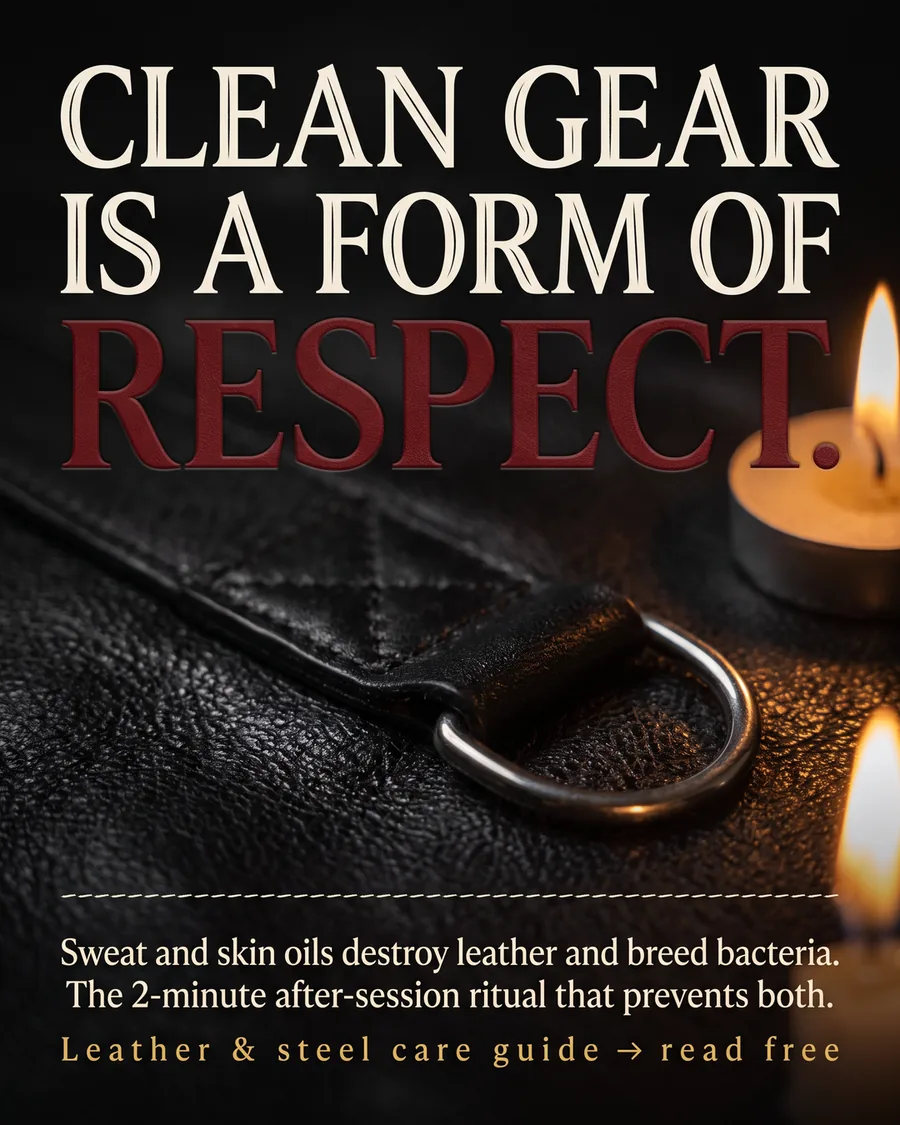
Sweat, skin oils, and body fluids are mildly acidic and salt-rich — left on gear, they degrade leather finishes, corrode cheap metal, and cultivate bacteria in stitching and padding. The habit that preserves everything: a two-minute wipe-down immediately after each session, before the gear goes back in its case. Deep cleaning can be occasional; the quick wipe is every time.
Leather: Clean Gently, Condition Regularly
For finished (sealed) leather cuffs and straps: wipe with a barely damp cloth and a drop of mild, pH-neutral soap; follow with a dry cloth immediately. Never soak leather, never use alcohol-heavy sanitizers on it (they strip finishes and dry the hide), and never dry it on a radiator or in the sun — heat is what cracks leather, not use.
Every few months, work a small amount of dedicated leather balm or conditioner into the surface with a soft cloth. Conditioned leather stays supple, resists moisture, and develops the deep patina that makes quality pieces more beautiful with age. For unfinished or suede-like leathers, skip liquids entirely and use a dry brush — or better, choose sealed leathers for intimate use in the first place.
Metal Hardware: The Easy One — If It's Good Hardware
Solid, properly finished hardware is non-porous, which makes it the most hygienic component in the intimate world: antibacterial wipes or warm soapy water, rinse, and — the step everyone skips — dry completely. Trapped moisture at rivets and buckle folds is what causes spotting and tarnish even on good steel.
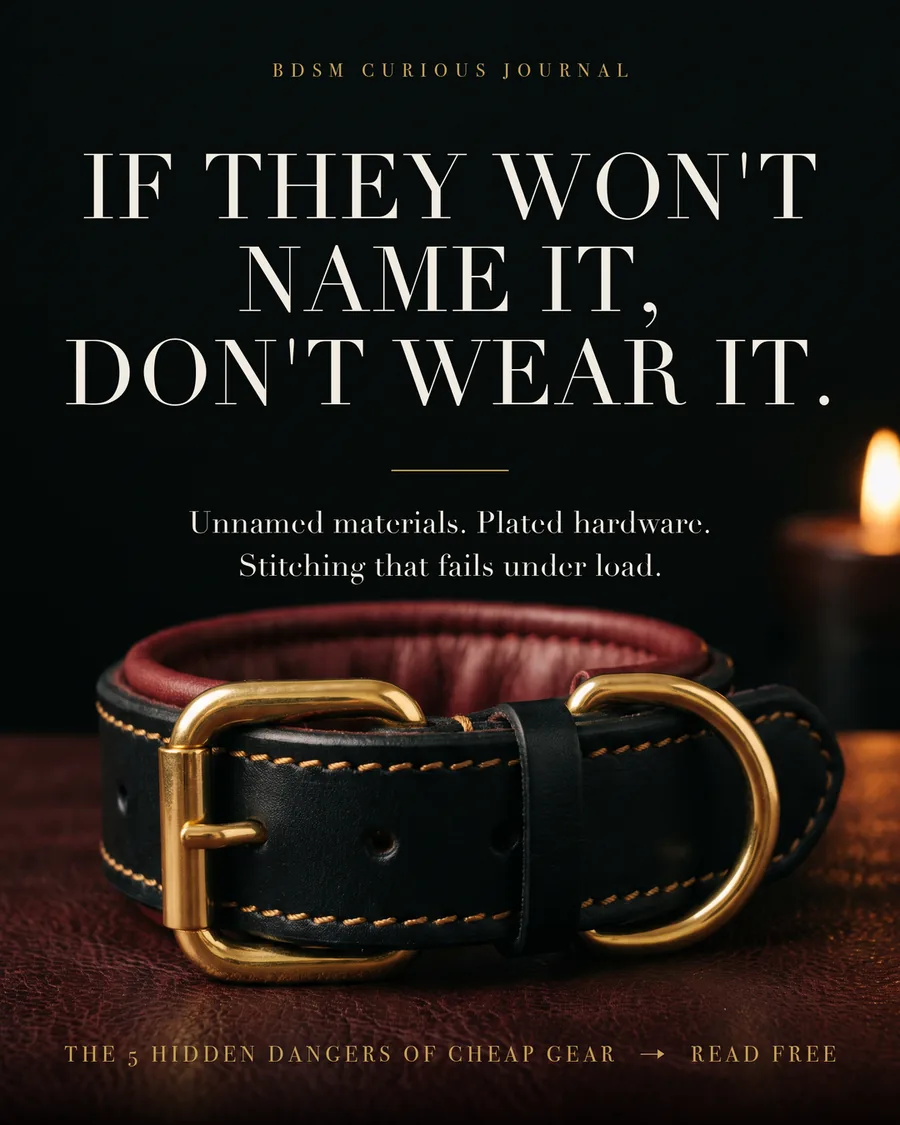
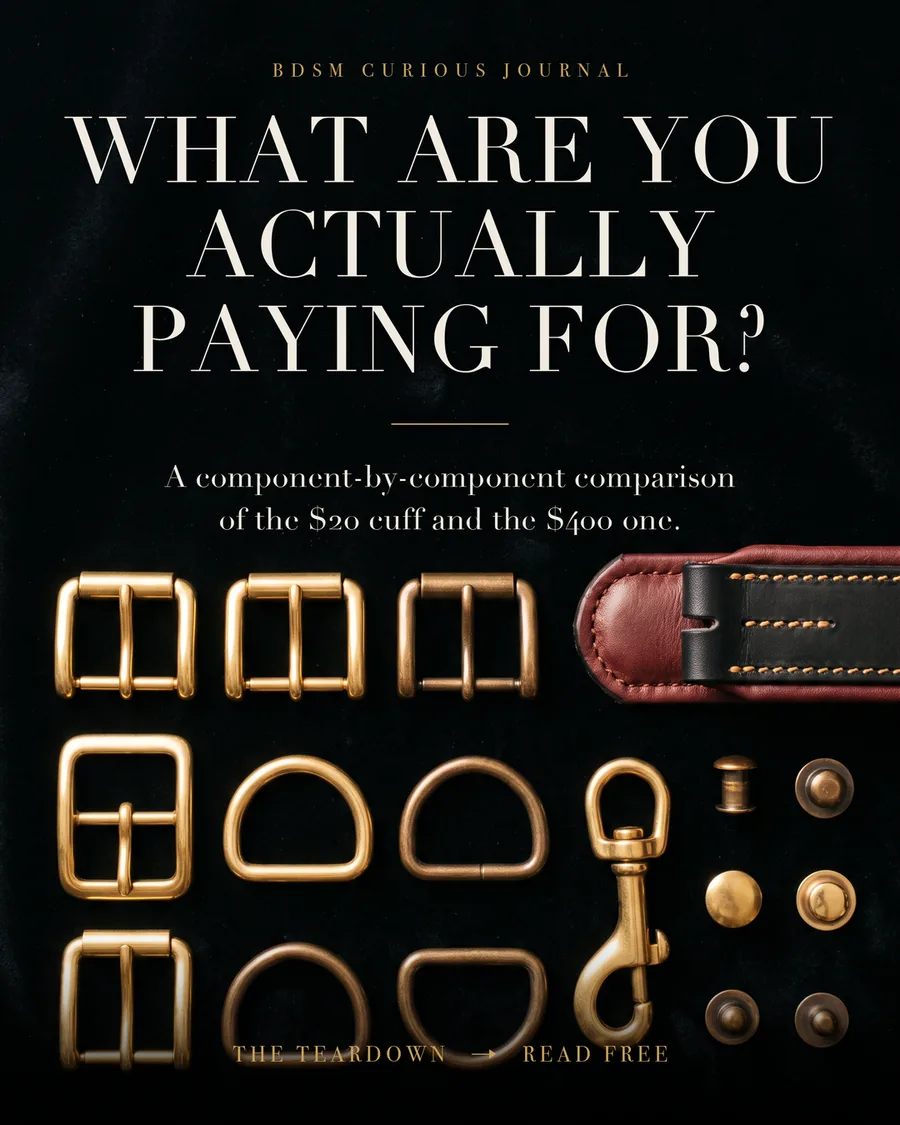
Cheap plated hardware is another story: plating wears through, exposing alloys that corrode and can trigger nickel reactions. If a buckle is flaking, bubbling, or leaving grey marks on skin or leather, retire the piece — no cleaning regimen fixes bad metal.
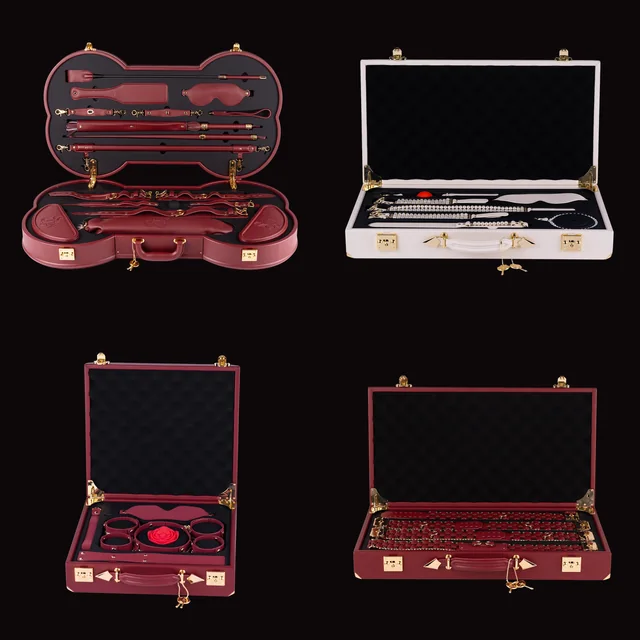
All four Signature Sets
Four complete worlds · Crystal, Keen Bound, Pearl and BONE — compare them side by side.
Textiles: Silk, Velvet, and Padding
Silk blindfolds and ribbons: hand-wash cool with gentle detergent, roll in a towel to press out water, dry flat away from sunlight. Velvet linings: spot-clean with minimal moisture and brush gently once dry to restore the pile. Padded cuff interiors: wipe with a lightly damp cloth and let them air-dry fully — padding that goes into storage damp is the number-one cause of mustiness and mold in stored gear.
Storage Is Half of Maintenance
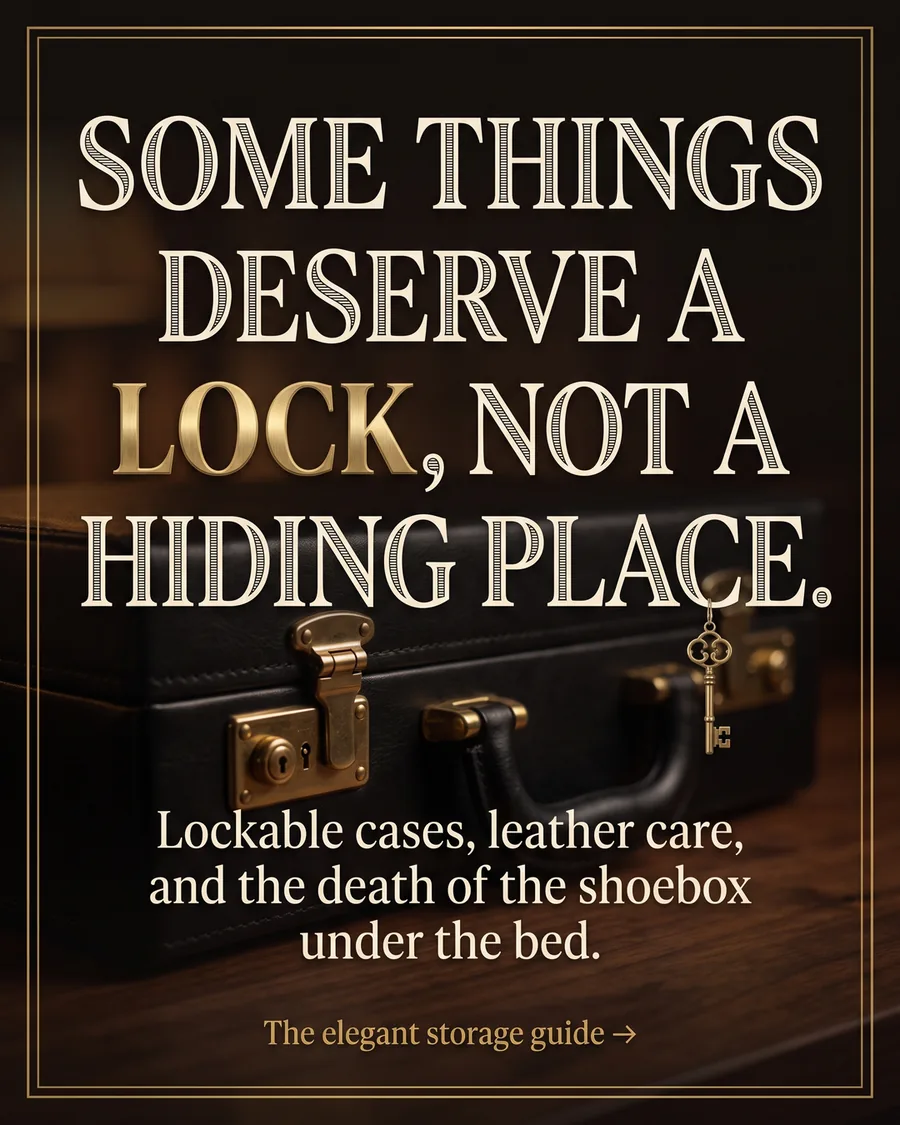
Cleaned gear should rest in a dry, room-temperature, dark place — a lined lockable case is ideal — with leather in breathable bags, metal fully dry, and nothing crushed out of shape. Avoid sealed plastic bags for leather and padding; they trap humidity. A silica gel sachet in the case is a cheap insurance policy.
Why Premium Materials Are Easier, Not Harder
There's a persistent myth that luxury gear is high-maintenance. The opposite is true: porosity is the enemy of hygiene, and cheap materials are porous. Foam that drinks fluids, raw leather splits that absorb everything, pitted alloys that harbor residue — these can never truly be sanitized. Solid, well-finished hardware and sealed leather surfaces — the standard across the SIN Premium collections — wipe clean effortlessly in seconds, precisely because nothing penetrates the surface. In this category, the premium choice is also the practical one.
The 2-Minute Post-Session Ritual
Wipe metal with an antibacterial wipe. Wipe leather with a damp-then-dry cloth. Air anything padded. Check stitching and buckles while you're at it. Return everything to its case. Two minutes, every time — and gear built from real materials will genuinely outlast the bed it's attached to.